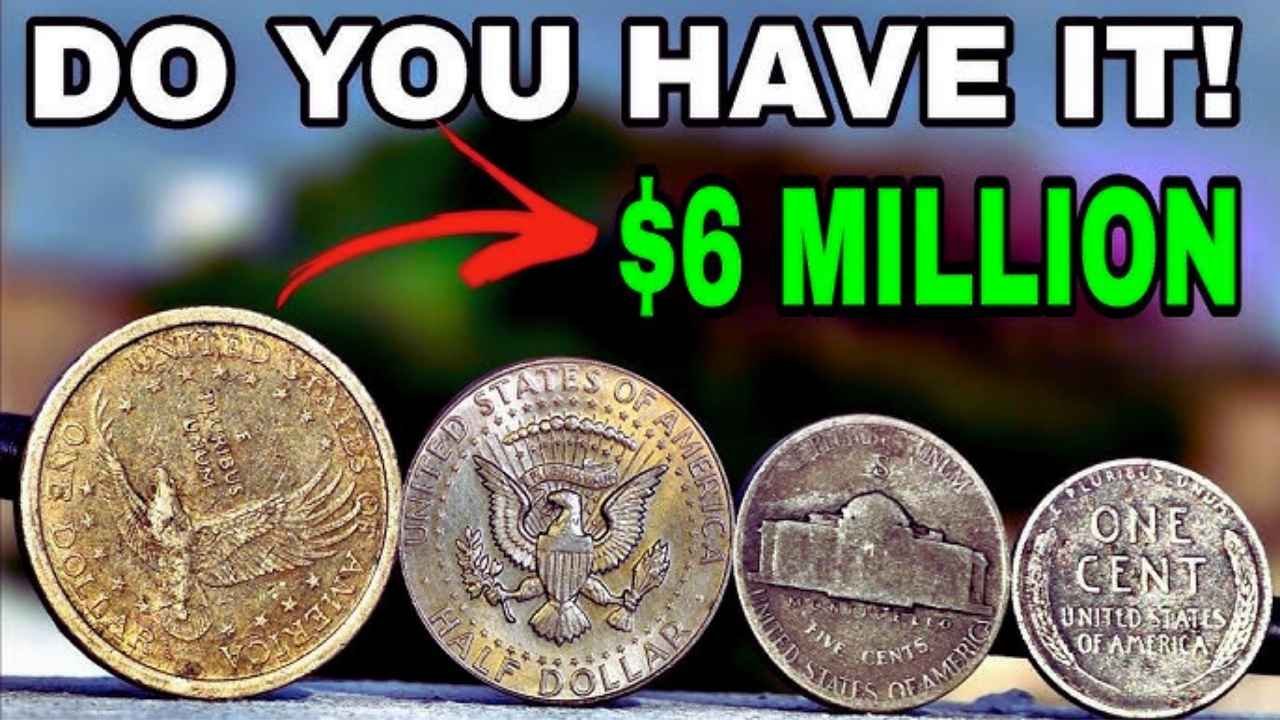
If you carry loose change in your pocket or keep old coins in a jar at home, you may be sitting on hidden treasure without even knowing it. Coin experts in the United States are warning people to check their wartime nickels and early Sacagawea dollars because some pieces are now selling for hundreds or even thousands of dollars. These coins look normal at first glance, but certain years, mint marks, and printing errors make them extremely valuable.
Why Wartime Nickels Are Special
Wartime nickels were made between 1942 and 1945 during World War II. Because the country needed nickel metal for military equipment, the government used a special metal mix for coins during these years. These coins have a large mint mark above the Monticello building on the back. Some rare pieces from 1943 and 1944 are in high demand because they were made in small numbers or have errors.
- Collectors especially look for
- Coins with a big “P,” “D,” or “S” above Monticello
- The 1943-P “Doubled Eye” error
- The 1944-P with a missing detail on the reverse
Even a normal wartime nickel in good condition can sell for around $10 to $50. Error coins can jump to $500 or more.
Sacagawea Dollars Rising in Value
Sacagawea dollars were first released in 2000, but only a few types are truly valuable. The most famous one is the “Cheerios Dollar,” which was placed inside cereal boxes when the coin first launched. This special version has sharper detail on the eagle’s tail feathers and can sell for $3,000 to $10,000 depending on condition.
Other valuable versions include
- 2000-P “Wounded Eagle” with a line through the eagle’s body
- 2000-P broadstrike error coins
- 2007 Sacagawea dollars with proof-like surfaces
Even if your Sacagawea dollar is not from a rare batch, some collectors still pay more than face value for shiny or uncirculated pieces.
How to Check Your Change
Coins worth the most money are usually easy to spot once you know what to look for. Experts say you should separate your old coins by year and mint mark, then search online value guides or ask a local coin dealer. Many families discover rare coins in old purses, piggy banks, or boxes that belonged to grandparents. A simple five-minute check may reveal something surprisingly valuable.
Here is a quick reference table:
| Coin Type | What Makes It Valuable | Possible Value |
|---|---|---|
| Wartime Nickel (1942–45) | Big mint mark, metal mix, errors | $10–$500+ |
| Sacagawea “Cheerios Dollar” | Sharp tail feathers | $3,000–$10,000 |
| “Wounded Eagle” Dollar | Die scratch through eagle | $500–$2,000 |
Why These Coins Matter Today
Collectors say interest in older U.S. coins has grown quickly in the past few years. Many people are turning to rare coins as a hobby, while others see them as a safe investment. With more buyers looking for unique pieces, prices for special wartime nickels and Sacagawea dollars are climbing. Experts believe values could rise even higher, especially for coins in perfect condition.
FAQs
What are wartime nickels?
They are nickels made between 1942 and 1945 using a special metal mix due to World War II.
How do I know if my nickel is valuable?
Check for a large mint mark above Monticello and look for rare dates or error designs.
Why are some Sacagawea dollars worth so much?
Special editions like the Cheerios Dollar were made in very limited numbers and have unique details.
Can normal Sacagawea dollars be valuable?
Yes, some error coins and uncirculated pieces can sell for more than face value.
Where can I sell valuable coins?
You can visit local coin shops, get online appraisals, or sell through certified auction websites.