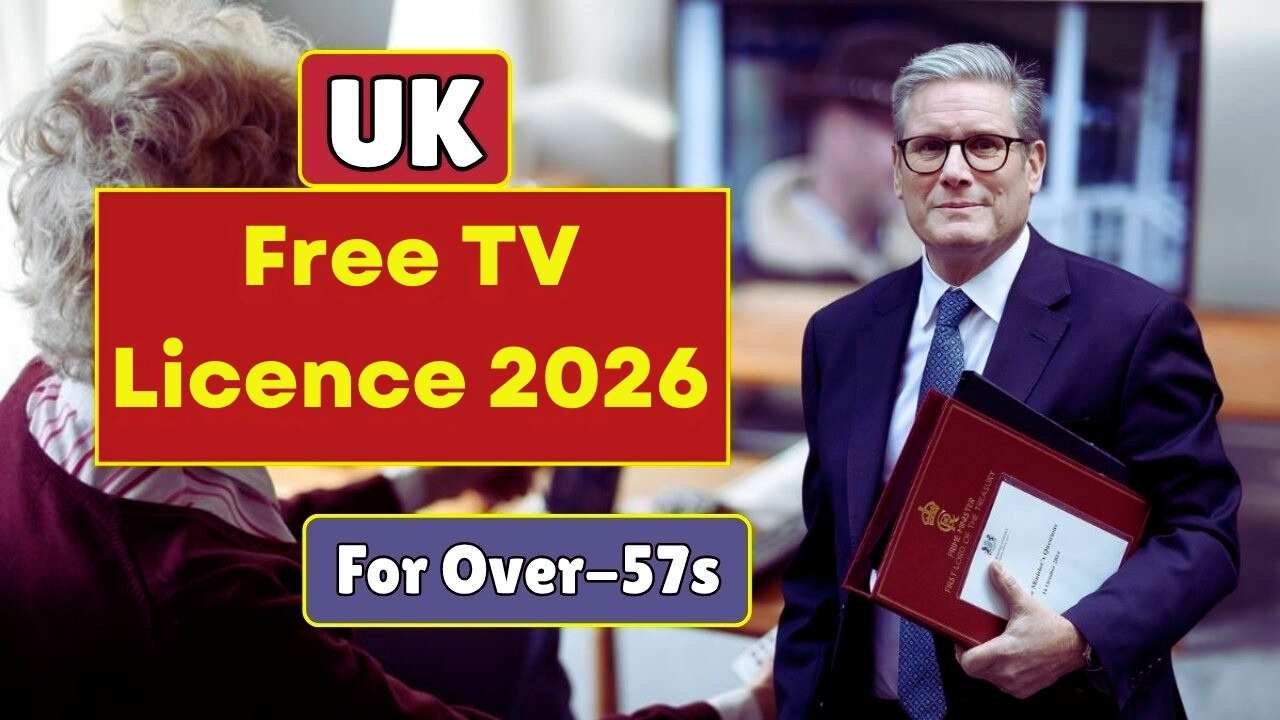
Big news for folks hitting their late 50s: the UK government is rolling out a game-changing policy that slashes the TV licence fee to zero for over-57s starting next year. After years of campaigning from pensioner groups, this move promises real relief amid rising costs. But with two key updates just announced, it’s worth digging into the details to see if you qualify and how to make the switch without a hitch.
What’s the New Free TV Licence Scheme All About?
The Department for Culture, Media and Sport (DCMS) has greenlit a major expansion of the concessionary TV licence program, shifting from the current over-75s-only setup to include everyone aged 57 and above. Right now, only those 75+ on Pension Credit get it free the rest of us shell out £169.50 a year for live TV, BBC iPlayer, and more.
This 2026 launch flips the script, making free access a standard perk for early retirees and those on fixed incomes. It’s not just about saving cash; it’s a nod to how TV keeps us connected, especially when getting out and about gets tougher.
The core of the scheme:
- Covers live broadcasts, streaming on BBC platforms, and radio—all without that annual bill.
- Administered through TV Licensing, with the BBC handling reimbursements for anyone who pays up front.
Expect the full rollout by April 2026, though some areas might see pilots earlier. Until then, stick with your current licence to avoid fines.
Who Qualifies for the Over-57s Free Licence?
Straight up, this is for UK residents turning 57 or older by the scheme’s start. No more means-testing like the old rules—it’s age-based, plain and simple. That means if you’re 57 on 1 April 2026, you’re in; if you hit 57 later that year, you can jump on board right away.
It affects:
- Over-57s living in England, Scotland, Wales, and Northern Ireland nationwide coverage.
- Households where the main viewer qualifies; second homes or shared setups might need separate checks.
One catch: if you’re already on the over-75 scheme, nothing changes you keep your freebie. But for the new wave of 57-74-year-olds, this opens the door wide. Disability or low-income perks still layer on top if you need them.
Why Is the Government Doing This Now?
Pensioner advocates have pushed hard, pointing out how the £169.50 fee bites into tight budgets when energy and food prices are through the roof. The government cites it as part of a broader cost-of-living lifeline, echoing the free licences that were standard for all pensioners until 2018.
By lowering the threshold to 57, they’re aiming to:
- Ease financial strain on nearly 10 million households heading into retirement.
- Boost BBC viewership among older audiences who rely on it for news and companionship.
Critics worry about the BBC’s funding—after all, the government foots the bill for these concessions—but officials say a new shared model will keep things balanced without hiking fees for under-57s.
The Two Major Updates Just Revealed
The government’s fresh announcement packs two big reveals that could shift how you plan ahead. First up, automatic enrolment for new qualifiers—no more form-filling nightmares. If you turn 57 after April 2026, TV Licensing will ping you directly with approval, complete with a digital confirmation to dodge those scary enforcement letters.
Second, and this one’s a saver: pro-rated refunds for anyone who renews their paid licence in early 2026 but qualifies mid-year. Say you pay in January and hit 57 in June—the BBC credits back the unused months automatically, no claims process needed.
These tweaks make the rollout smoother:
- Cut down on admin headaches for both users and the BBC.
- Ensure no one pays a penny extra during the transition.
It’s a smart fix to common gripes from past schemes, where delays left folks out of pocket.
How to Prepare and Apply for Your Free Licence
Don’t rush out and cancel just yet—the rules kick in fully in April 2026, and you’ll need proof of age like a passport or driving licence when applying. Head to the TV Licensing website or call 0300 790 6117 for a quick eligibility check.
Steps to get sorted:
- Wait for your official invite if you’re auto-enrolled, or apply online from March 2026.
- Gather ID docs and household details—takes about 10 minutes.
- If you’ve overpaid, refunds hit your bank in 4-6 weeks.
Pro tip: Download the TV Licensing app now to track your status and set reminders. And remember, this covers the whole UK, but if you’re abroad part-time, chat with them about multi-residence rules.
Quick Summary of the 2026 Changes
- Eligibility: Over-57s from 1 April 2026—no income test required.
- What’s covered: All live TV, iPlayer, and BBC radio services.
- Cost: £0 annually, with refunds for partial years.
- Application: Mostly automatic, with easy online backup.
- Current rules: Over-75s on Pension Credit stay free until the switch.
Conclusion
This over-57s free TV licence push is a win for everyday Brits watching budgets tighten—saving £169.50 a year adds up, especially when it means guilt-free evenings with the soaps or news. The two updates on auto-enrolment and refunds show the government’s listening, smoothing out the bumps for a seamless start. But keep an eye on DCMS announcements, as final tweaks could drop soon. If you’re nearing 57, 2026 just got a bit brighter—mark your calendar and enjoy the telly worry-free.
FAQs – Over-57s Free TV Licence 2026
Q: When exactly does the free licence for over-57s start?
A: The scheme launches on 1 April 2026, with applications opening in March. If you turn 57 after that, you qualify immediately.
Q: Do I need to be on benefits to get it?
A: No, it’s for all over-57s regardless of income just proof of age and UK residency.
Q: What if I renew my licence before April 2026?
A: You’ll get a pro-rated refund for the months after you qualify no need to apply separately.
Q: Does this apply to streaming services beyond BBC iPlayer?
A: It covers live TV and BBC on-demand, but non-BBC streaming like Netflix still needs a separate subscription.
Q: How will the BBC fund this expansion?
A: Through a government-BBC agreement that shares costs, keeping the fee stable for everyone else.
Stay tuned to TV Licensing updates, and here’s to more telly time without the bill