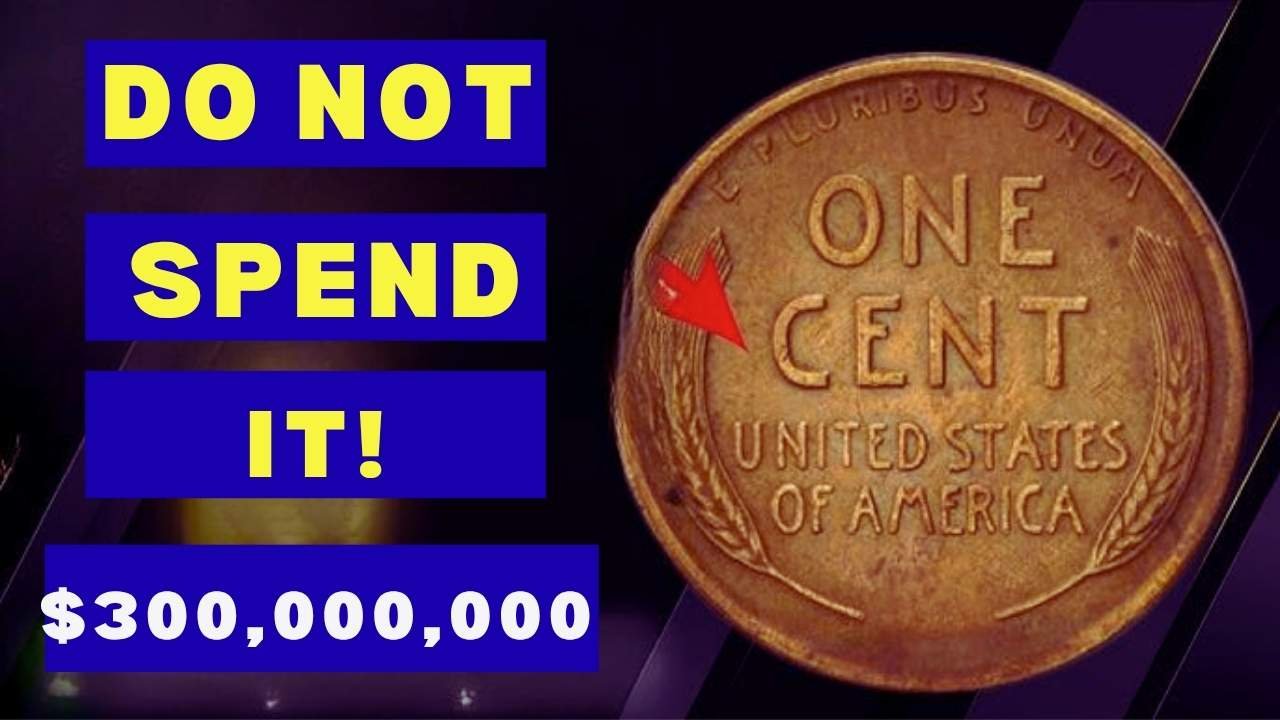
Wheat pennies have always been special for coin collectors, and their value has changed a lot over the past decade. In this guide, we break down how their prices moved, why they became more popular, and what makes some coins worth more than others. Everything here is explained in simple language so even beginners can understand.
What Are Wheat Pennies?
Wheat pennies are old U.S. one-cent coins minted from 1909 to 1958. They are called “wheat pennies” because of the two wheat ears on the back. These coins are considered historic, and many collectors love them for their classic design and age.
Why Wheat Pennies Gained Value Over Time
The last 10 years have been interesting for wheat penny collectors. Their value increased slowly but steadily due to:
- Rising interest in vintage coins
- Better awareness through online marketplaces
- Growing hobby communities
Collectors now look for even small details that make one penny more valuable than another.
Factors That Decided Their Value in the Past 10 Years
The price of wheat pennies in the last decade mainly depended on three things:
- Condition of the coin
- Year and mintmark
- Rarity of any special features
Mintmarks like “D” or “S” often increased the price. Coins with strong details and fewer scratches attracted more buyers.
Condition Levels That Changed Penny Prices
Collectors usually rate coins based on their physical condition. The better the condition, the higher the price. Older coins in clean, sharp detail became more valuable. Even a common wheat penny could be worth more if it stayed well-preserved.
Which Wheat Pennies Rose the Most in Value
Some years performed better than others. Early-year pennies, especially from the 1910s and 1920s, saw the biggest jump in the last decade. Coins from low-mintage years also became important because fewer pieces were available for collectors.
How Market Demand Shifted in the Decade
Interest in coin collecting increased, especially during online auction growth. Many collectors started searching for wheat pennies as starter coins. This demand kept values stable, and in some years, even pushed prices higher. The market became more dynamic and predictable.
How Price Trends Moved From 2015 to 2025
Over the past 10 years, wheat penny values followed a clear pattern:
• Steady growth for common dates
• Faster growth for rare or early-year coins
• Stable demand without major drops
This made wheat pennies a safe and affordable choice for new hobbyists.
Why Rarity Still Matters Today
Even though millions of wheat pennies were made, certain pieces remain rare. Coins with mint errors, unusual details, or extremely low production continue to hold strong value. Rarity stayed one of the main price drivers throughout the decade.
Should Collectors Still Buy Wheat Pennies Now?
Wheat pennies are still a good entry point for collectors. Their value remains stable, and rare pieces continue to gain interest. They also offer a sense of history, which keeps them popular among beginners and experts alike.
Final Thoughts
The last 10 years showed that wheat pennies can hold and grow their value steadily. Whether you’re a new collector or someone planning to invest in the hobby, these coins provide a reliable start. Their history, design, and rarity together make them a timeless collectible.
FAQs
Q1. What makes a wheat penny valuable today?
Condition, rarity, and mintmark are the main factors that decide value.
Q2. Are common wheat pennies worth collecting?
Yes, even common ones are great for beginners and can rise in value over time.
Q3. Do damaged wheat pennies lose value?
Scratches, dents, and discoloration usually reduce a coin’s price.
Q4. Is it possible to find rare wheat pennies in circulation today?
It’s rare but not impossible. Most of them are already in collections.
Q5. Are wheat pennies a good long-term investment?
They show steady growth and are considered a safe, beginner-friendly collectible.